5 Warning Signs of a Low-Quality Wrap Installation
There’s nothing quite like the feeling of rolling out of the shop with a freshly wrapped ride. The color is deep, the lines are crisp, and your car is completely transformed—it’s like getting a new car for a fraction of the cost of a full repaint.
However, a car wrap is only as good as the hands that install it.
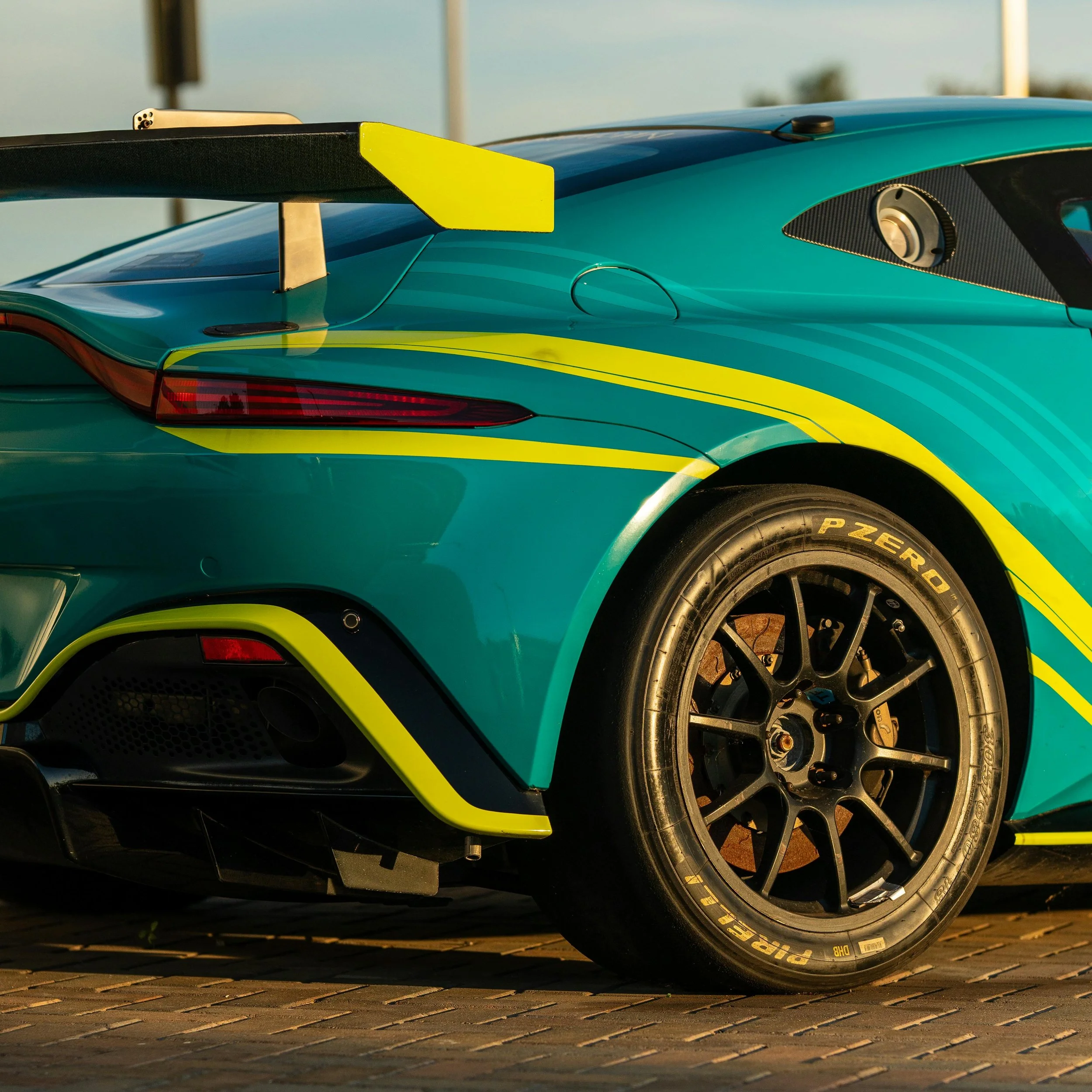
Here in Northern VA, we see a lot of cars—from high-end luxury commuters to rugged weekend cruisers. And unfortunately, we occasionally see the aftermath of a rushed job or a low-quality, budget vinyl application.
At Wraps On Whips, we believe in doing it right the first time. We want to help you protect your investment by knowing exactly what to look for. If you’re shopping around for a wrap or inspecting a recently finished job, here are the 5 most critical red flags that signal a low-quality installation.
1. The Dreaded Air Bubbles and Wrinkles
This is the most obvious sign of an amateur job, and it’s the one that most people can spot immediately.
A professionally applied vinyl wrap should look and feel like a second skin over your vehicle's original paint. It should be glass-smooth.
The Red Flag: If you see dime-sized bubbles trapped under the vinyl (especially a few days after installation), or noticeable wrinkles/creases where the vinyl was folded or stretched unevenly.
The Pro Difference: Bubbles are often caused by poor surface preparation (dust or contaminants left on the paint) or trapping air during the application. Wrinkles typically come from installers using poor technique on complex curves. Certified installers use specialized tools and heat management to work the vinyl, smoothing it perfectly to the contours of your car.
2. Lifting or Peeling Edges
Your vehicle's edges are the most vulnerable parts of any wrap. They are where the vinyl ends, and where poor preparation will show up first.
The Red Flag: The edges, especially around door handles, mirrors, bumpers, and wheel wells, are curling up, pulling back, or collecting dirt. You might even be able to slip a fingernail under the edge.
The Pro Difference: A proper installation involves meticulous cleaning and "post-heating." Post-heating is a crucial final step where the vinyl is heated to a specific temperature to permanently lock its adhesive memory into the recesses and around all edges. When corners are cut (literally and figuratively), the vinyl's memory wants to spring back to its original flat state, causing the wrap to lift off the paint.
3. Jagged Cuts and Scored Paint
The actual trimming of the vinyl wrap around panels is where a high-end installer truly earns their reputation. It’s also where an amateur can do permanent damage.
The Red Flag: When you open your doors, hood, or trunk, you see jagged, uneven cuts along the panel seams. Even worse, if you notice deep scratches or cuts in your car’s actual paint underneath the vinyl.
The Pro Difference: Professional installers use precision techniques like Knifeless Tape to create clean, perfect lines without ever touching the paint with a blade. For freehand cutting, they use specialized breakaway blades and extreme caution. If your original paint is damaged, the wrap must be removed and the paint repaired, which often means the opposite of the value you were looking for.
4. Distorted Text and Uneven Finishes
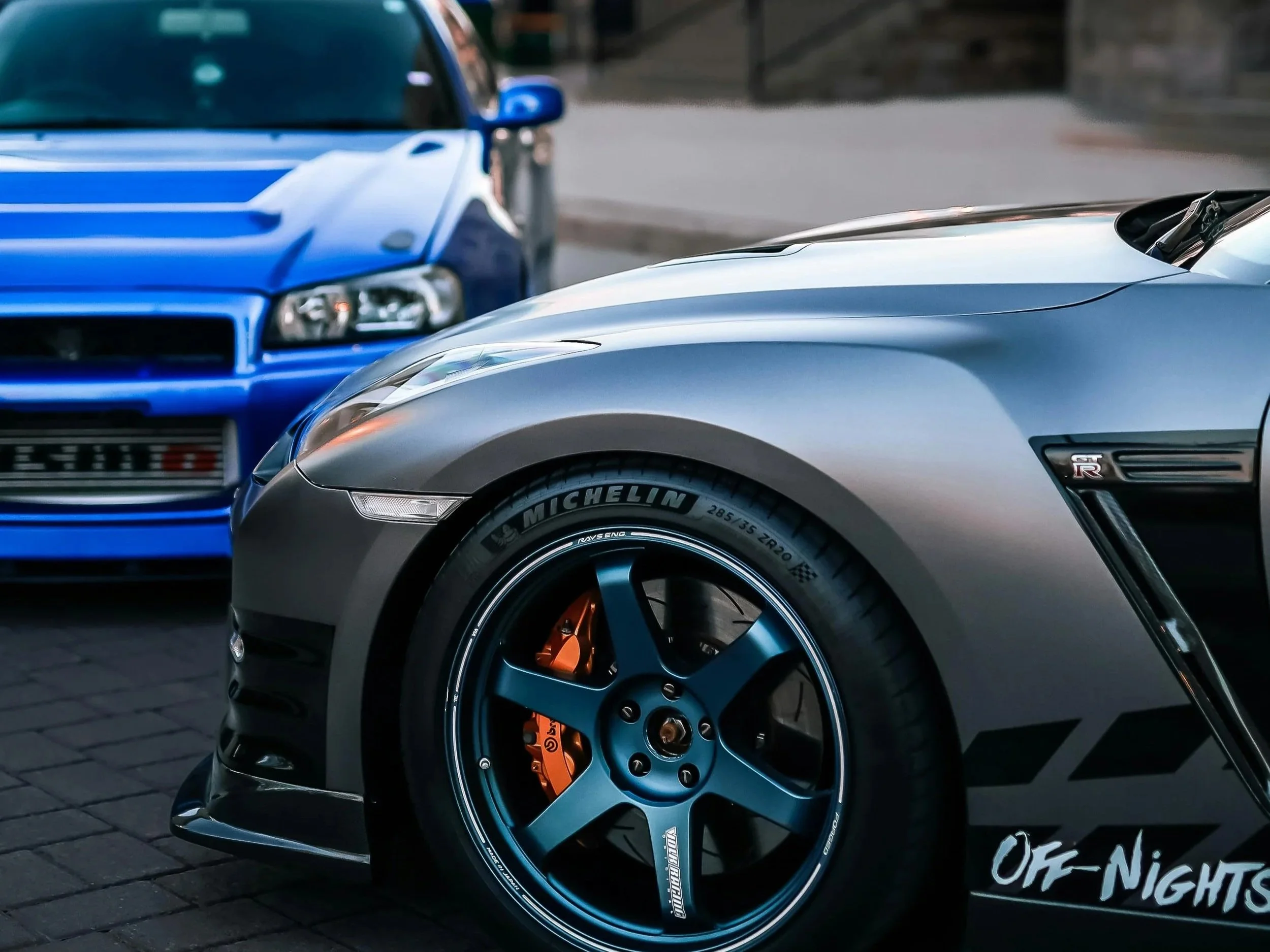
This warning sign is less about durability and more about aesthetics, and it often happens when installers try to stretch the vinyl too far to cover a complex panel in one piece.
The Red Flag: On textured finishes (like carbon fiber or brushed metal) or printed commercial wraps, the pattern looks noticeably washed out, faded, or distorted over curved areas. On large, curved panels, the vinyl might look visibly stretched thin, changing the color depth.
The Pro Difference: High-quality vinyl has a stretch limit. A professional knows that exceeding this limit compromises the finish, the adhesive, and the material's color. They will use relief cuts or a technique called "inlays" to strategically use multiple pieces in deep recesses to ensure the color remains consistent and the vinyl stays relaxed and happy.
5. Visible Seams and Overlaps
While it is impossible to wrap every single car in one single sheet, a high-quality wrap should give the illusion of paint.
The Red Flag: You can clearly see where one sheet of vinyl ends and the next begins, especially on the main panels like the hood or roof. Look for obvious, thick overlapping lines where the vinyl pieces meet.
The Pro Difference: Skilled installers are masters of concealment. They plan their material layout to minimize seams, and when they are necessary, they are placed in inconspicuous areas (like along body lines, under trim, or in deep channels) and are meticulously butted up against each other to be virtually invisible. If you see thick, obvious overlaps on a flat surface, you've witnessed a shortcut.
Don't Risk Your Ride in Northern VA
Your car is a valuable asset, and a vinyl wrap is an investment that should enhance its look, protect its paint, and last for years. When you choose a reputable installer like Wraps On Whips, you’re not just paying for a roll of vinyl—you're paying for meticulous preparation, expert technique, premium materials, and a guarantee against the problems above.
If you are seeing any of these red flags on your current wrap, or if you want the peace of mind that comes with a flawless, guaranteed installation, give us a call. We're proud to serve the entire Northern Virginia area with wraps that truly make a statement.
Ready for a Flawless Transformation?
Contact Wraps On Whips today to schedule a consultation!